


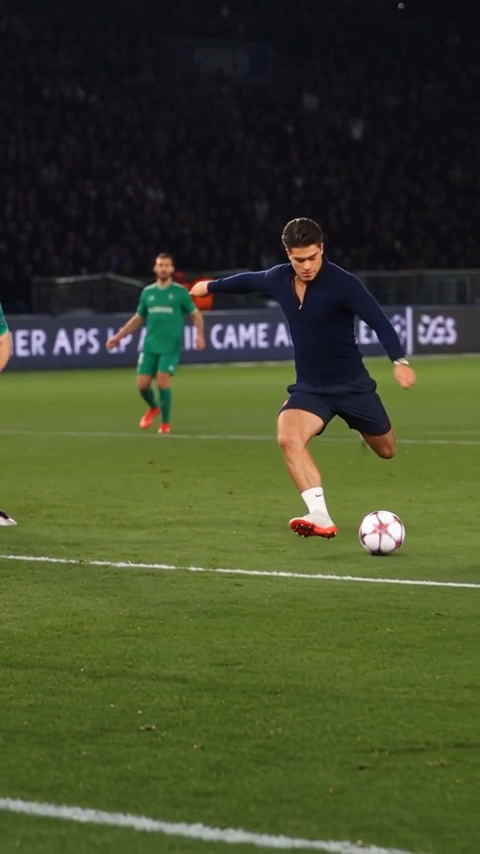
ByteDance's Seedance line has evolved quickly, and the jump from Seedance 2.0 to Seedance 2.5 is one of the most practical upgrades in the current generation of AI video models. If you are deciding which one to use, here is a clear breakdown of what changed and when the upgrade is worth it.
The headline difference is multimodal input depth. Seedance 2.0 accepts text prompts, first and last frames, and basic references. Seedance 2.5 expands this into a full reference pipeline: reference images, reference videos and reference audio can all be combined in one request, letting the model preserve identity, motion style and voice across the generated clip.
Motion quality and prompt adherence also improved. Seedance 2.5 tracks fast movement more stably, handles multi-character scenes with fewer identity drift artifacts, and follows complex camera directions — tracking shots, orbits, close-ups — with noticeably higher fidelity than 2.0.
Audio is another differentiator. Both versions support native audio generation, but Seedance 2.5 syncs dialogue and sound effects more tightly to the visuals. If your workflow involves speaking characters or action-driven sound design, the 2.5 upgrade pays for itself immediately.
When is Seedance 2.0 still the right choice? If you only need simple text-to-video or image-to-video clips, Seedance 2.0 in its fast or mini mode remains a quick and inexpensive option. But for reference-driven, audio-synced, production-grade shots, Seedance 2.5 is the clear winner.
Both models are available side by side in the browser: compare them directly with the Seedance 2.5 generator and the Seedance 2.0 generator.